

How to Get Rid of Dark Spots on Face After 60
Dark spots on the face after 60 form when years of UV exposure trigger excess melanin production in the skin. The good news: you can fade them. As a physician, I recommend starting with daily broad-spectrum SPF 30+ sunscreen, then adding a targeted treatment containing ingredients like niacinamide, alpha arbutin, or vitamin C. Over-the-counter options can lighten spots in 8 to 12 weeks of consistent use, while professional treatments like cryotherapy or laser therapy produce faster results. Below, I’ll walk you through every option available, from home remedies to clinical-grade formulas, so you can choose what fits your skin and budget.
What Causes Dark Spots on the Face After 60?
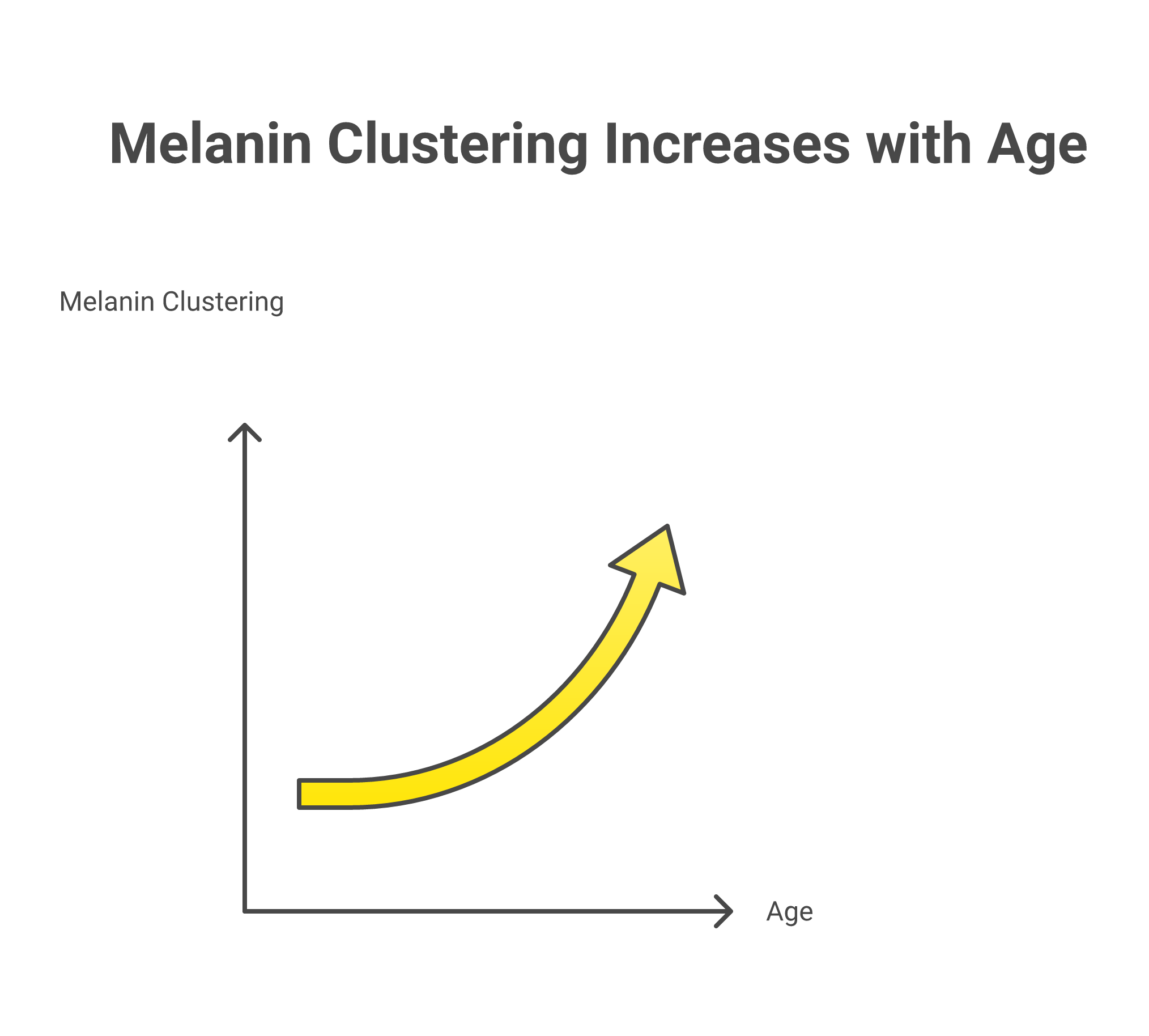
Age spots (also called solar lentigines or liver spots) are flat, brown, gray, or black patches that appear on sun-exposed skin. They show up most often on the face, hands, shoulders, and forearms. According to the American Academy of Dermatology (AAD), age spots develop when melanocytes, the cells that produce skin pigment, cluster together after repeated UV exposure over decades.
Three factors make people over 60 especially prone to dark spots:
- Cumulative sun damage: By age 60, most people have had 40+ years of UV exposure. Even casual, daily sun contact adds up. A 2023 study published in the Journal of the European Academy of Dermatology and Venereology found that 90% of visible skin aging, including hyperpigmentation, results from UV radiation rather than chronological aging alone.
- Slower cell turnover: Skin cell renewal slows by roughly 50% between ages 30 and 60, per research published in the British Journal of Dermatology (2019). Old, pigmented cells linger longer on the surface.
- Thinner skin: Collagen production drops about 1% per year after age 20, according to a 2021 review in the International Journal of Molecular Sciences. Thinner skin makes existing pigment more visible.
Before treating any dark spot, see a board-certified dermatologist. The AAD warns that what looks like a harmless age spot could actually be skin cancer. A quick evaluation rules out anything serious before you start any treatment plan.
Home Remedies for Dark Spots: Do They Actually Work?
I get asked about natural remedies constantly. Here’s what the evidence actually says about the most popular ones.
Lemon Juice
Lemon juice contains citric acid, a mild exfoliant, and vitamin C, which can inhibit tyrosinase (the enzyme that triggers melanin production). But the concentration of vitamin C in lemon juice is too low and too unstable to produce consistent brightening results. Worse, citrus juice on skin followed by sun exposure can cause phytophotodermatitis, a painful chemical burn. I don’t recommend applying raw lemon juice to your face.
Aloe Vera
Aloe vera contains aloin and aloesin, compounds that a 2012 study in the journal Planta Medica found can reduce melanin production in lab settings. For mild surface-level discoloration, daily aloe gel application may help slightly over several months. But the concentration of active compounds in store-bought aloe products varies wildly, and clinical evidence for significant spot fading in humans is limited.
Apple Cider Vinegar
Apple cider vinegar (ACV) contains acetic acid, which has mild exfoliating properties. Some people report lighter spots after weeks of daily application. But ACV is acidic (pH 2-3), and mature skin is already thinner and more vulnerable to chemical irritation. Burns, redness, and barrier damage from undiluted ACV are common complaints I hear from patients. If you insist on trying it, dilute it 1:3 with water and patch-test first.
The Bottom Line on Home Remedies
Natural remedies may produce subtle improvements for very mild discoloration. But for the kind of stubborn, deeply pigmented age spots that develop after age 60, they rarely deliver visible results. Clinically studied ingredients like niacinamide, alpha arbutin, and vitamin C derivatives (in stabilized formulations) are more reliable because they target melanin production at the cellular level, not just the surface.
Clinically Proven Ingredients for Dark Spots Over 60
The following ingredients have peer-reviewed research supporting their ability to reduce hyperpigmentation. I’ve ranked them by both effectiveness and gentleness, which matters when you’re dealing with mature, thinner skin.
Niacinamide (Vitamin B3)
A 2013 study in the British Journal of Dermatology found that 5% niacinamide reduced hyperpigmentation by up to 35% in 8 weeks. Niacinamide works by blocking the transfer of melanin from melanocytes to skin cells. It also strengthens the skin barrier, reduces redness, and improves texture. This is my top recommendation for mature skin because it’s effective without causing irritation. You can learn more in our guide to niacinamide cream for even skin tone.
Alpha Arbutin
Alpha arbutin is a plant-derived compound that inhibits tyrosinase activity, the enzyme responsible for melanin production. A 2019 clinical trial published in the Journal of Cosmetic Dermatology showed that 2% alpha arbutin reduced melanin index scores after 12 weeks of use with no significant side effects. Unlike hydroquinone (its synthetic cousin), alpha arbutin doesn’t carry the risk of ochronosis (permanent skin darkening) with long-term use.
Vitamin C (Stabilized Forms)
Vitamin C is one of the most-studied brightening agents in dermatology. A 2017 review in the Journal of Clinical and Aesthetic Dermatology confirmed that L-ascorbic acid at 10-20% concentration can reduce melanin synthesis and lighten dark spots. The catch: pure vitamin C (ascorbic acid) degrades quickly when exposed to air and light. For better stability, look for derivatives like sodium ascorbyl phosphate or ascorbyl glucoside, which convert to active vitamin C in the skin.
Hydroquinone
Hydroquinone is the strongest over-the-counter skin lightener available. UC Davis Health recommends 2% hydroquinone (available OTC) as an effective at-home treatment for age spots. But I limit my recommendation for patients over 60 to short-term use only, 8 to 12 weeks maximum. According to UC Davis Health dermatologists, long-term hydroquinone use “can cause damage to the skin.” After 12 weeks, switch to a non-hydroquinone formula to maintain results.
Retinoids (Retinol / Tretinoin)
Retinoids speed up cell turnover, pushing pigmented cells to the surface faster and allowing fresh, evenly toned skin to replace them. Prescription tretinoin produces results in 3 to 6 months. OTC retinol takes longer. For people over 60, I recommend starting with a low-concentration retinol (0.25%) two to three nights per week, then building up gradually. Retinoids can cause dryness and peeling, especially on mature skin, so pairing them with a hydrating moisturizer is non-negotiable.
Home Remedies vs. Clinical Ingredients: Comparison
| Treatment | Evidence Level | Time to Results | Safe for 60+ Skin? | Irritation Risk |
|---|---|---|---|---|
| Lemon Juice | Weak (anecdotal) | Months (if any) | Risky (phototoxic) | High |
| Aloe Vera | Limited (lab only) | 3-6 months | Yes | Low |
| Apple Cider Vinegar | Weak (anecdotal) | Variable | Risky (acid burns) | Moderate-High |
| Niacinamide (5%) | Strong (RCTs) | 8-12 weeks | Excellent | Very Low |
| Alpha Arbutin (2%) | Strong (clinical) | 8-12 weeks | Excellent | Very Low |
| Vitamin C (stabilized) | Strong (reviews) | 8-12 weeks | Good | Low |
| Hydroquinone (2%) | Strong (gold standard) | 4-8 weeks | Short-term only | Moderate |
| Retinoids | Strong (RCTs) | 3-6 months | Yes (start low) | Moderate |
Professional Treatments for Age Spots After 60
If topical treatments aren’t producing the results you want after 12 weeks, a dermatologist can offer procedures that work faster. Here’s what the AAD recommends, with real outcome data.
Cryotherapy (Freezing)
A dermatologist applies liquid nitrogen to individual spots, destroying the excess melanin. The treated area scabs over and peels off within 1 to 2 weeks. Cryotherapy works best on isolated, well-defined spots. The AAD notes that side effects are uncommon when performed by a board-certified dermatologist, but rare risks include permanent scarring, lightening, or darkening of the treated area.
Laser Therapy
The AAD reports that one or two laser sessions can treat age spots quickly by destroying melanin-producing cells without damaging the skin surface. Intense pulsed light (IPL) and Q-switched lasers are the most common types used. You may see crusting or temporary darkening of the spots before they fade. Results typically become visible within 2 to 3 weeks after treatment.
Chemical Peels
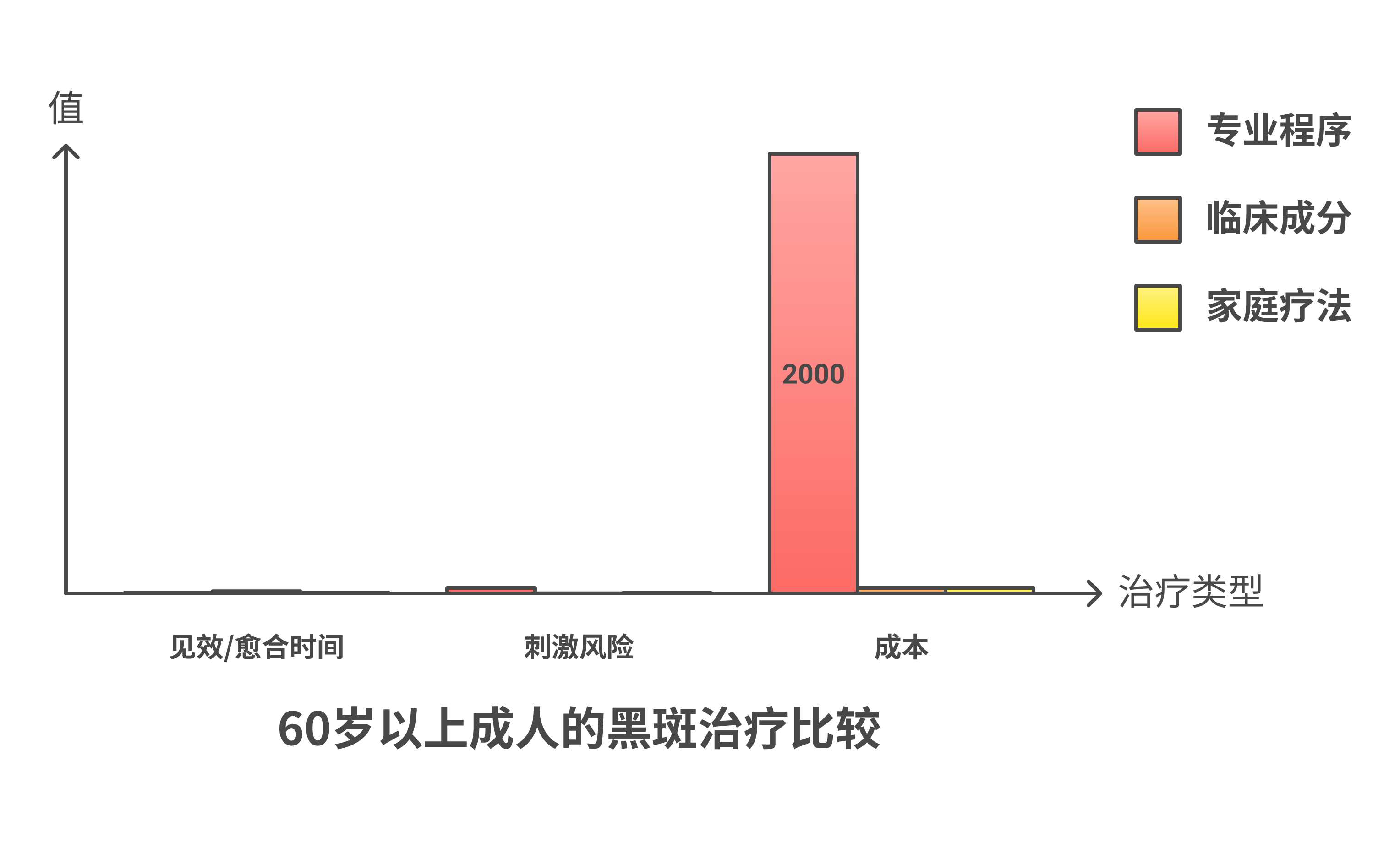
A dermatologist applies a chemical solution (usually glycolic acid or trichloroacetic acid) to remove the outer skin layers. According to the AAD, 47% of patients in clinical studies achieved 50% fading of their age spots with chemical peels, and peels heal faster than cryotherapy for most patients.
Microdermabrasion
This procedure uses fine crystals or a diamond-tipped wand to sand away the outer skin layer. AAD data shows 40% of patients experienced complete disappearance of age spots with microdermabrasion alone, and that number rose to 50% when combined with a chemical peel.
Cost Considerations
Professional treatments range from $150 to $3,000+ per session depending on your location and the procedure type. Insurance rarely covers cosmetic treatments for age spots. Most patients need 2 to 4 sessions for full results. Factor in the total cost when deciding between professional procedures and consistent at-home treatment, which typically costs $30 to $60 per month.
Dark Spots on Hands in Elderly Adults
Age spots on the hands follow the same biology as facial spots, but the skin on your hands is even thinner and has fewer oil glands. That means treatments need to be gentler. I recommend the same active ingredients listed above (niacinamide, alpha arbutin, vitamin C), but with a few adjustments:
- Apply your treatment serum or cream to the backs of your hands every time you apply it to your face
- Reapply sunscreen to your hands after every hand wash (most people protect their face but forget their hands entirely)
- Wear UV-protective driving gloves or apply SPF before getting in the car, since UVA rays penetrate window glass
- Avoid harsh hand soaps that strip the skin barrier, which makes hyperpigmentation worse
The backs of the hands receive as much cumulative UV exposure as the face, yet most people don’t apply sunscreen there at all. This one habit change alone can prevent new spots from forming while your treatment fades existing ones.
Building a Daily Skincare Routine for Dark Spots After 60
Consistency beats intensity for mature skin. Here’s the routine I recommend to my patients. You can check our full guide to skincare for adults 60 plus for more detail.
Morning Routine
- Gentle cleanser (sulfate-free, pH-balanced)
- Vitamin C serum (stabilized, 10-15%)
- Dark spot treatment with niacinamide and alpha arbutin (like PRO60+ DeepRadiance Renew)
- Moisturizer with ceramides or hyaluronic acid
- Broad-spectrum SPF 30+ sunscreen (reapply every 2 hours outdoors)
Evening Routine
- Double cleanse (oil-based cleanser, then water-based)
- Retinol (0.25-0.5%, 2-3 nights per week, build gradually)
- Dark spot treatment on alternate nights from retinol
- Rich night cream or facial oil to support barrier repair
Two rules I tell every patient over 60: never skip sunscreen (even on cloudy days, even indoors near windows), and give any new product 8 to 12 weeks before judging whether it works. Melanin takes time to clear from the skin.
Why Multi-Ingredient Formulas Outperform Single Ingredients
Most over-the-counter spot treatments contain just one active ingredient. The problem is that dark spots after 60 involve multiple pathways: excess melanin production, slow cell turnover, inflammation, and oxidative stress. A single ingredient can only address one or two of these pathways at a time.
That’s why I formulated PRO60+ DeepRadiance Renew with four clinically studied ingredients that target dark spots from different angles:
- Niacinamide: blocks melanin transfer, strengthens skin barrier, reduces redness
- Alpha Arbutin: inhibits tyrosinase to reduce new melanin production
- Oligopeptide-68: a signaling peptide that regulates melanogenesis at the gene expression level
- Hydrolyzed Pearl: provides natural amino acids and minerals that support skin luminosity
This multi-pathway approach addresses the root causes of dark spots rather than just bleaching the surface. And because every ingredient was selected for tolerability on mature, thinner skin, you don’t have to worry about the irritation that comes with harsher alternatives like hydroquinone or high-concentration retinoids.
If you’ve been searching for the best dark spot remover for mature skin, consider a formula that tackles multiple causes simultaneously rather than relying on a single active.
5 Mistakes That Make Dark Spots Worse After 60
- Skipping sunscreen indoors: UVA rays pass through windows. If you’re near a window during the day, you’re getting UV exposure. A 2012 study in the Journal of Investigative Dermatology found that ambient UVA through windows was sufficient to trigger melanin production.
- Picking or scrubbing at spots: Aggressive exfoliation or picking at dark spots causes post-inflammatory hyperpigmentation (PIH), which adds NEW dark marks on top of existing ones. Be gentle with mature skin.
- Using too many actives at once: Layering retinol, AHAs, vitamin C, and hydroquinone in the same routine overwhelms the skin barrier. Choose 2 to 3 targeted ingredients and use them consistently.
- Expecting overnight results: Melanin sits deep in the epidermis. Even the strongest topical treatments need 8 to 12 weeks of consistent use. Switching products every 2 weeks prevents any of them from working.
- Forgetting the hands and chest: These areas get as much UV exposure as the face but receive far less protection and treatment. Apply your dark spot treatment and SPF to all three zones.
When to See a Dermatologist
Most age spots are harmless. But the AAD specifically recommends seeing a board-certified dermatologist if you notice any of these changes in a dark spot:
- The spot is very dark or has multiple colors
- The border is irregular or ragged
- The spot is growing in size
- It itches, bleeds, or changes texture
- You have a new spot that looks different from your other spots
These are warning signs that a spot may not be a simple age spot. A dermatologist can perform a dermoscopy exam or biopsy to rule out melanoma or other skin cancers. Early detection saves lives, so don’t skip this step. Our dark spot corrector guide covers more about identifying concerning changes.
Frequently Asked Questions
Can dark spots on the face be completely removed after 60?
Most age spots can be significantly faded but may not disappear 100% with topical treatments alone. Professional procedures like laser therapy or cryotherapy produce more complete clearance. The AAD reports that microdermabrasion combined with chemical peels achieved complete disappearance in 50% of patients studied. Consistent sunscreen use after treatment prevents spots from returning.
What is the fastest way to remove age spots on the face?
Professional laser therapy is the fastest option. According to the AAD, one or two laser sessions can treat age spots with visible results in 2 to 3 weeks. For at-home treatment, 2% hydroquinone is the fastest topical option (4 to 8 weeks), but it should only be used short-term. Niacinamide and alpha arbutin take 8 to 12 weeks but are safer for long-term use.
Are dark spots on hands different from dark spots on the face?
The biology is the same, but the skin on your hands is thinner, has fewer oil glands, and gets washed more frequently. This means treatments wash off faster and the skin barrier is more fragile. Use the same active ingredients you apply to your face, but reapply sunscreen after every hand wash and choose a formula designed for sensitive, mature skin.
Is hydroquinone safe for people over 60?
Hydroquinone at 2% (OTC strength) is effective for short-term use, typically 8 to 12 weeks. According to UC Davis Health dermatologists, extended use “can cause damage to the skin.” For adults over 60, whose skin is already thinner and more reactive, I recommend non-hydroquinone alternatives like niacinamide and alpha arbutin for long-term maintenance. These provide steady brightening without the safety concerns.
How long does it take for dark spot treatments to work?
Most topical treatments need 8 to 12 weeks of consistent, twice-daily application before you see measurable results. Professional treatments work faster: cryotherapy shows results in 1 to 2 weeks (after the treated area heals), and laser therapy in 2 to 3 weeks. The key is consistency. Melanin production is ongoing, so stopping treatment too early allows spots to return.
Can diet help reduce dark spots?
No single food eliminates existing dark spots. But antioxidant-rich foods (berries, leafy greens, tomatoes, fatty fish) support skin health from the inside by fighting oxidative stress, one of the factors behind hyperpigmentation. A 2020 review in the journal Nutrients found that dietary vitamin C and vitamin E intake was associated with lower rates of photodamage. Diet supports but doesn’t replace topical treatment.
What SPF should I use to prevent new dark spots?
The AAD recommends broad-spectrum SPF 30 or higher, applied 15 minutes before sun exposure and reapplied every 2 hours outdoors. For people prone to dark spots, tinted sunscreens with iron oxide offer added protection against visible light, which can also trigger melanin production. UC Davis Health specifically recommends “broad-spectrum, tinted sunscreen every day” for age spot prevention.
Take Action on Your Dark Spots Today
Fading dark spots after 60 is absolutely possible with the right approach. Start with the basics: daily SPF 30+ sunscreen and a targeted treatment containing clinically backed ingredients. Give your chosen treatment 8 to 12 weeks of consistent use before evaluating results.
If you want a formula specifically designed for mature skin that combines niacinamide, alpha arbutin, oligopeptide-68, and hydrolyzed pearl in one product, PRO60+ DeepRadiance Renew was built for exactly this purpose. It targets dark spots through multiple pathways without the irritation that harsher treatments can cause on sensitive, aging skin.
And remember: the single most important thing you can do right now is apply sunscreen. Every day. Even indoors. That one step prevents new spots from forming while everything else in your routine works on fading the existing ones.